


Attaching a dog car seat is essential for your dog’s safety and comfort during car rides. A properly installed seat reduces distractions, supports your dog on longer trips, and helps you drive with peace of mind.
To begin, position the dog car seat in your vehicle where you want your dog to sit. Most seats install using the car’s seatbelt system—simple, stable, and secure when done correctly. Pick a seat that fits your dog’s size and keeps them from moving around too much, especially on longer journeys.

If you’re in the UK, choose a seat designed for UK vehicles and proper restraint use—safe installation means a calmer dog and fewer driver distractions.
How to Install a Dog Car Seat (Simple Steps)
Pick the safest location
Place the seat on the back seat (most recommended area) and make sure the surface is flat and stable.
Thread the seatbelt correctly
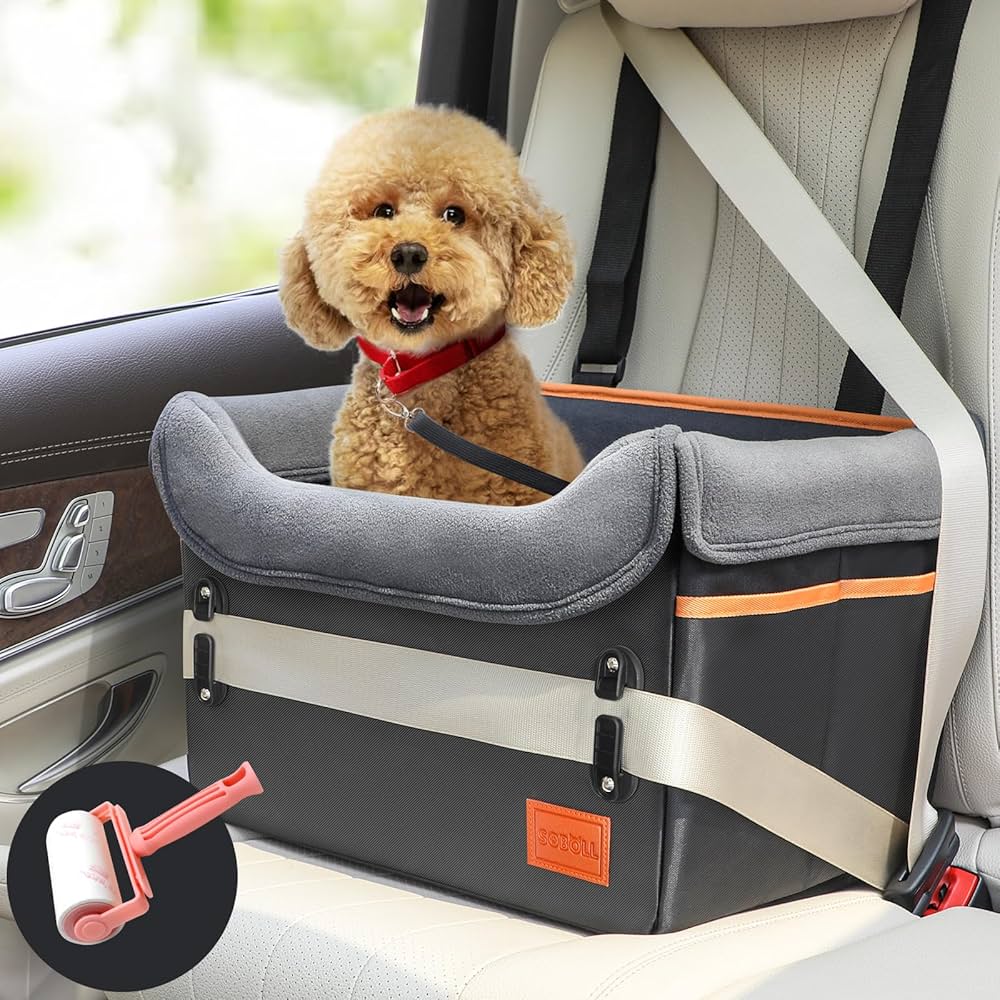
Run the car’s seatbelt through the seat’s belt path/slots (as the brand instructs) and buckle it fully.
Tighten and remove slack
Pull the belt tight so the seat doesn’t slide or tip. The seat should feel firm—not wobbly.
Attach your dog to the internal strap
Clip the internal tether to a harness (not a collar). Adjust length so your dog can sit/lie safely.
Some dog car seats include adjustable straps (common in many brands). After installing, always double-check that the seat is firmly in place before driving.
The Benefits of Car Seats
Safety While Traveling with Your Pet
A dog car seat helps keep your pet secured during sudden stops, turns, or bumps—reducing the risk of injury and giving you peace of mind.
Distraction
A secured dog is less likely to climb, jump forward, or move unpredictably, so you can focus on driving. For extra comfort and protection, read this dog seat cover guide.
Comfort: Ensuring a Premium Ride for Your Pup
The right seat gives your dog a cosy place to rest, look out the window, and relax—especially on longer trips.
Protection: Safeguarding Your Furry Companion
Seats reduce roaming, help keep your car cleaner, and protect your dog from sudden movement in the cabin.
Laws
Many regions expect pets to be safely restrained. A dog car seat (plus harness) helps you travel responsibly and avoid unsafe driving conditions.
Health and well-being
A stable, supportive seat can reduce stress and motion discomfort—helping your dog stay calm and comfortable.
Training Your Pup for the Road
Introduce the seat gradually. Start with short trips and rewards, then build up to longer drives so your dog forms a positive association.
Key Takeaways
Reasons a Car Seat May Not Be Right
A car seat can be unsafe if the size is wrong or weight limits are ignored. If a seat doesn’t match your dog’s weight/height, installation can fail and comfort drops fast.
Also check for damage and wear. A damaged or expired seat may not offer reliable protection—inspect straps, buckles, stitching, and padding regularly.
How does a dog car seat work?
A dog car seat helps keep your dog in a stable position during travel. Most designs use a seatbelt path to anchor the seat and an internal tether that connects to your dog’s harness, reducing movement and keeping your dog from distracting the driver.
Some models can also be used as a travel bed when parked, making them useful beyond just driving.
How do you attach a dog to a seatbelt?
Use a harness and connect it to the seatbelt system using a safe clip/carabiner style connector (or the tether provided with the seat). Keep it secure but comfortable—your dog should be able to sit or lie down without climbing forward.
Double-check all clips before starting the car. This reduces sudden movement and keeps everyone safer.
How do you install a dog seat cover?
Fit elastic straps around the headrests/seatbacks, hook the anchors where the cover design allows, and tighten to remove slack. Make sure AIRBAG-marked areas stay clear so safety features aren’t blocked.
After fitting, tug gently to confirm the cover is stable and won’t slide during travel.
Conclusion
Attaching a dog car seat is a simple step that makes a big difference: secure the seat with the vehicle seatbelt, tether your dog using a harness, and verify everything is tight before you drive. With the right fit and setup, your dog stays calm, you stay focused, and every ride is safer.


